
Are labelling mistakes silently affecting your sales and operations? In a candid conversation with Priyanka Parshurami, Kartik Shah, Owner of Winways Digitech, spills the beans on how startups and SMEs can avoid costly errors on labelling.
In today’s fast-moving retail and industrial landscape, labelling is no longer just a packaging requirement; it is a critical business asset. From product branding and inventory management to compliance and customer trust, the right labelling strategy can directly impact business growth.
However, many startups and small businesses unknowingly make labelling mistakes that lead to operational delays, poor customer experience, and unnecessary costs.
According to Kartik Shah, Owner of Winways Digitech, businesses often focus heavily on product quality and packaging aesthetics while overlooking the importance of durable, compliant, and high-performance labelling solutions.
Why Smart Labelling Matters More Than Ever
Modern businesses rely on barcode labels and transfer labels not only for identification but also for operational efficiency, traceability, and seamless retail management. Poor labelling decisions can affect everything from warehouse scanning to brand perception.
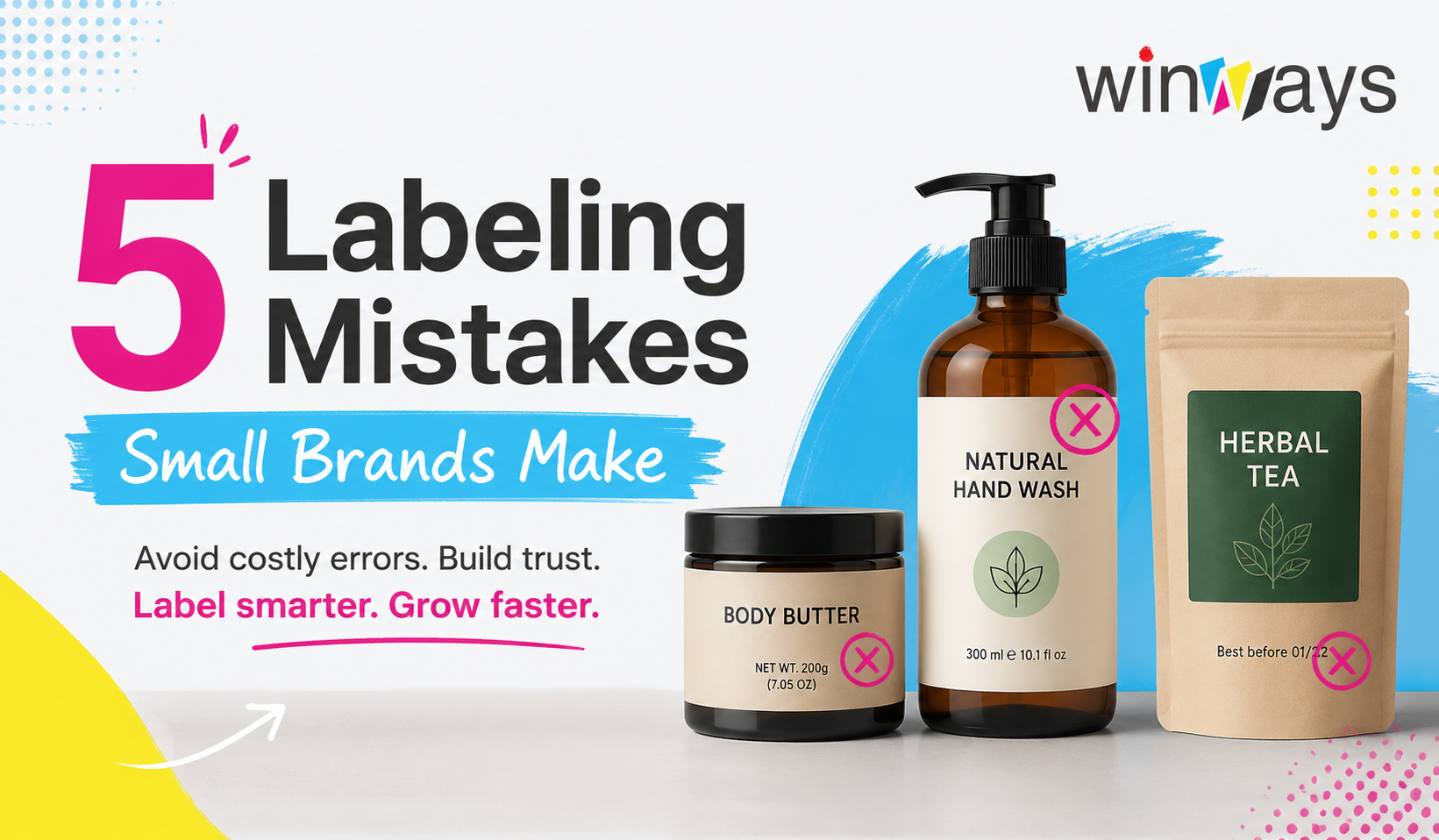
Here are the five most common labelling mistakes brands make and how to avoid them.
1. Ignoring Label Material Quality
Many brands select low-cost label materials without considering moisture, temperature changes, transportation conditions, or product shelf life. As a result, labels peel off, fade, or become unreadable.
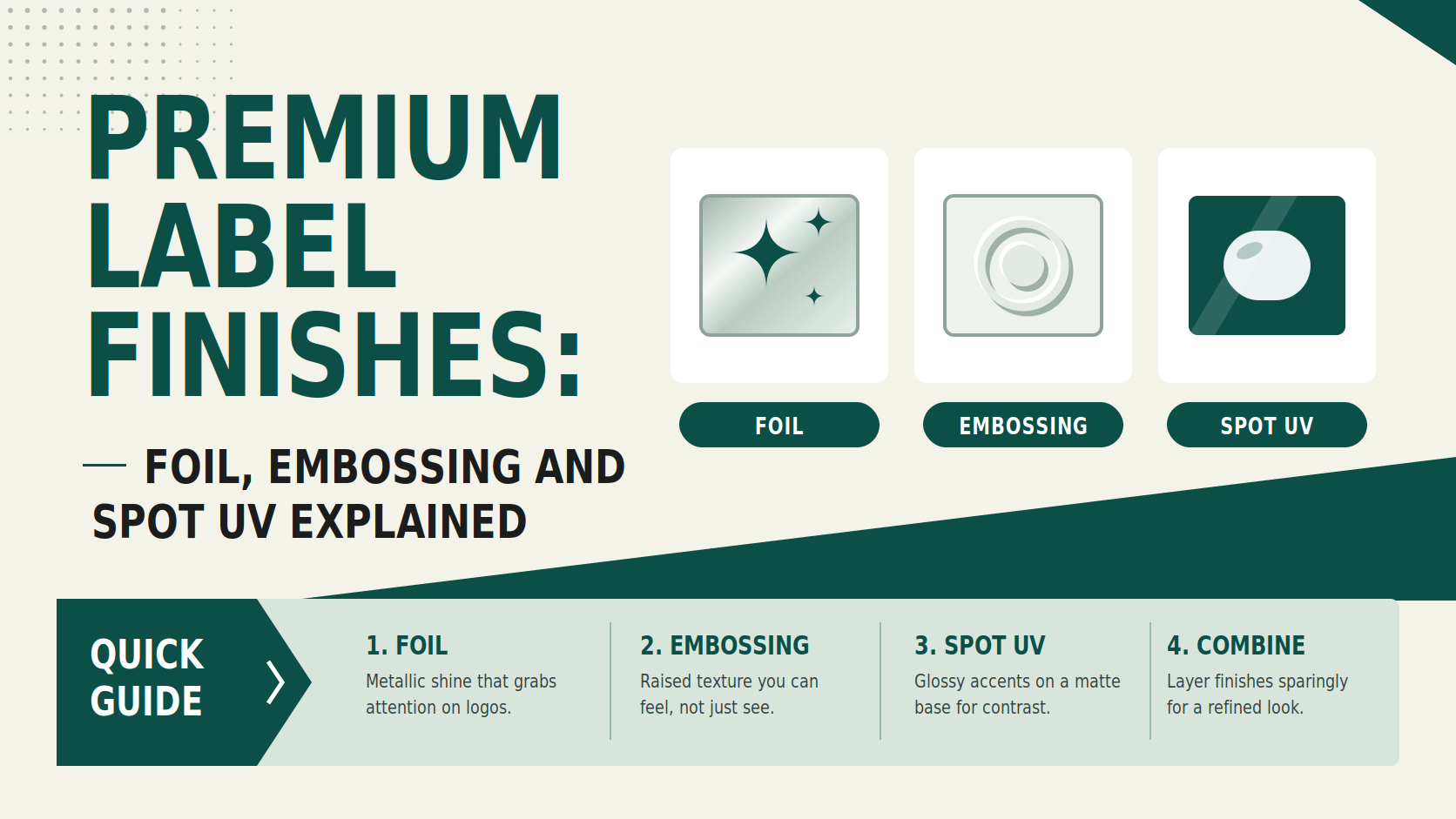
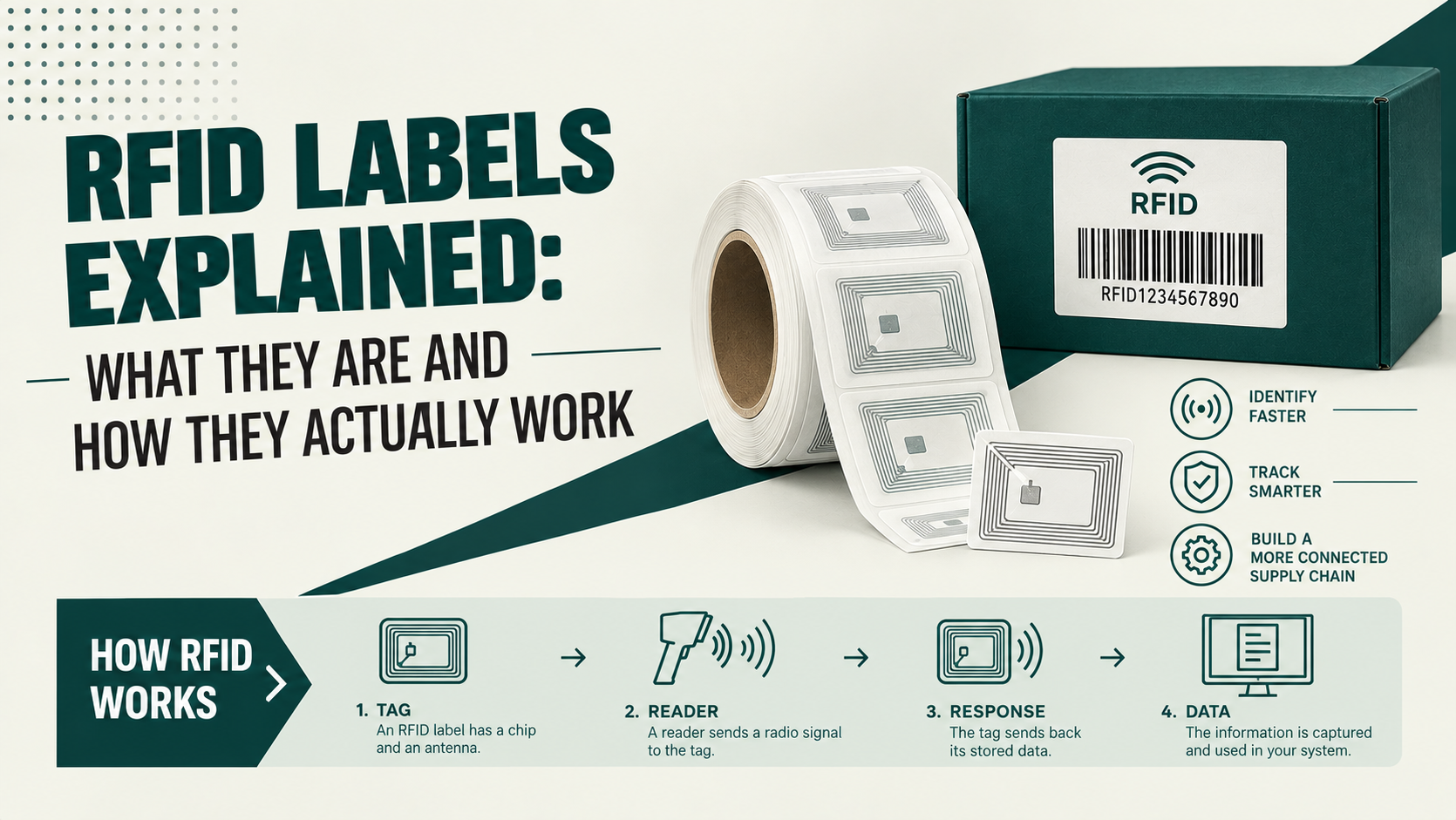
How to Avoid It: Choose label materials based on your product environment and industry requirements. Durable barcode labels, RFID labels, and transfer labels help maintain long-term readability and performance.
2. Poor Barcode Print Quality
Low-resolution or poorly printed barcodes often create inventory mismatches, checkout delays, and scanning failures.
How to Avoid It: Invest in high-quality barcode printing solutions and conduct regular print quality checks before bulk production. Reliable barcode labels improve supply chain accuracy and operational efficiency.
3. Overcrowded Label Design
Trying to fit excessive content into a limited label space can make packaging look cluttered and difficult to read.
How to Avoid It: Focus on clean design, readable typography, and information hierarchy. A well-designed label improves customer trust and strengthens brand identity.
4. Neglecting Compliance Requirements
Many startups overlook mandatory labeling guidelines such as batch numbers, manufacturing details, or industry-specific compliance standards.
How to Avoid It: Stay updated with industry regulations and implement standardised labelling systems to ensure consistency and legal compliance.
5. Choosing the Wrong Labelling Partner
Working with inexperienced vendors often leads to inconsistent quality, delayed deliveries, and scalability challenges.
How to Avoid It: Partner with experienced labelling solution providers who understand printing technology, material durability, and industry-specific requirements.
As Kartik Shah explains, “A label is often the first point of interaction between your product and your customer. Smart labelling not only enhances branding but also improves operational efficiency and business credibility.”
For startups and small businesses, labeling should never be treated as an afterthought. The right labelling strategy can improve product presentation, streamline logistics, enhance customer trust, and support long-term business growth.
Whether you need barcode labels, transfer labels, or complete labelling expertise, partnering with the right solution provider can make a significant difference.
Connect with Winways Digitech for expert guidance on barcode labels, transfer labels, and end-to-end labelling solutions designed for startups and growing businesses.
FAQs
1. Why are barcode labels important for small businesses?
Barcode labels improve inventory tracking, reduce billing errors, and streamline warehouse and retail operations.
2. What industries use RFID labels?
RFID labels are widely used in retail, logistics, healthcare, manufacturing, and warehousing for real-time tracking and inventory management.
3. How do I choose the right label material?
The ideal label material depends on product usage, storage conditions, moisture exposure, and transportation requirements.
4. What is the difference between barcode labels and transfer labels?
Barcode labels are used for scanning and identification, while transfer labels are created using thermal transfer printing for long-lasting durability.
5. Why should startups invest in professional labelling solutions?
Professional labelling improves brand image, operational efficiency, compliance, and overall customer experience.