
A product label is a lot more than just a way to identify the product. For a business, it holds a deeper meaning and purpose as it is one of the most visible expressions of a brand. Whether your product is on a retail shelf, shipped to a customer in a box or stored in a warehouse, the label speaks your brand long before a customer even touches the product.
For manufacturers and brand owners, investing in quality labels is not only a packaging decision, it is a branding decision. Let’s understand how:
Your Label Represents Your Brand
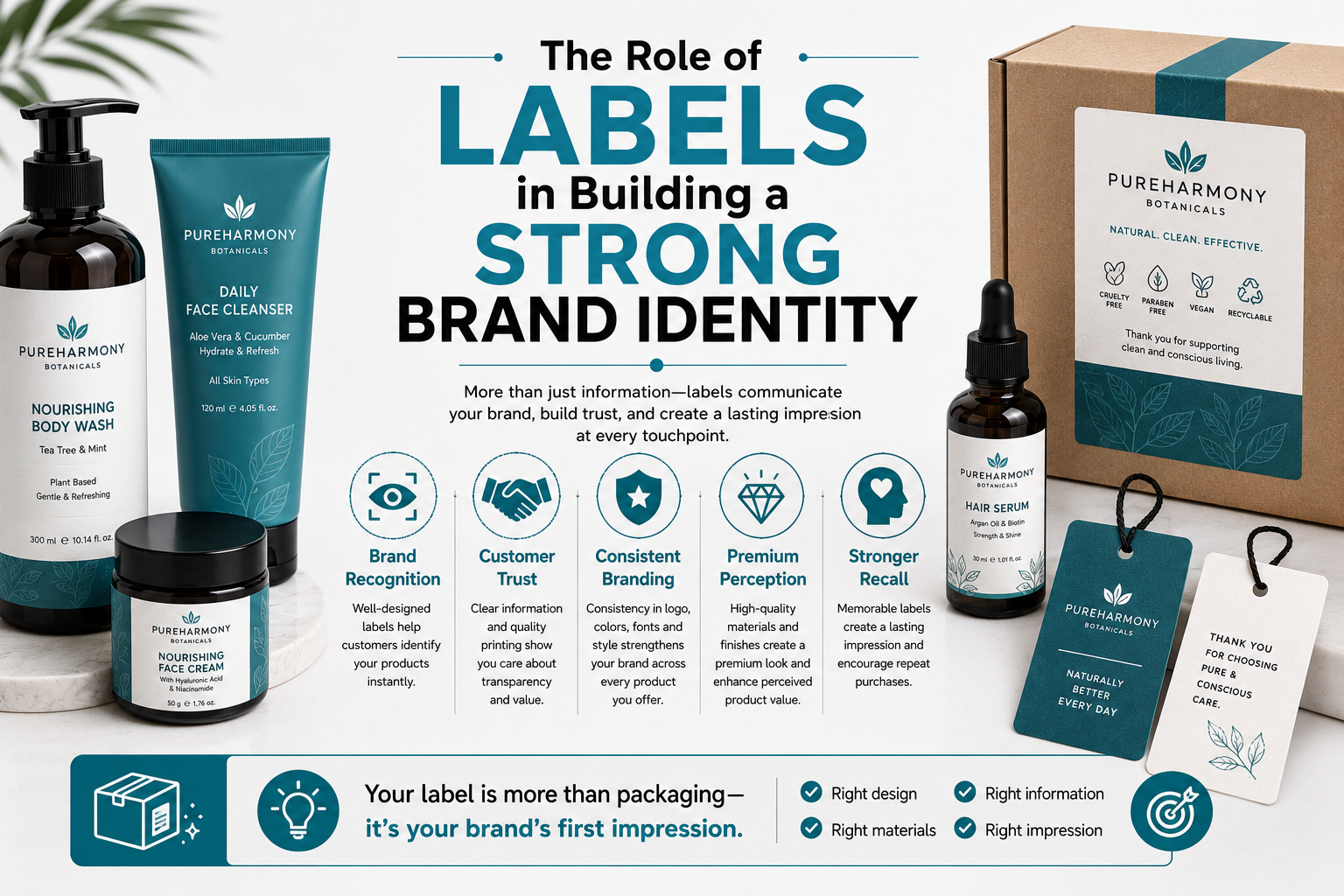
Your label is the first impression your customer gets of your product. A good first impression is created by a professionally printed label with a clear design, consistent colours and correct information.
Poor print quality, faded colours or inconsistent branding can make even a high-quality product look less trustworthy. All labels should match the quality level your business promises through your products.
Consistency Builds Recognition
Strong brands are easily recognisable because they are consistent in all their products. The same logo, typography, colour palette and visual style help customers to quickly identify your products in a supermarket, pharmacy or online marketplace.
The same consistency also makes it easier to introduce new products, while reinforcing the trust you’ve already built up. A consistent labelling strategy helps to reinforce your overall brand identity as your product portfolio grows.
Labels Convey Your Brand Values
Beyond logos and colours, labels also communicate what your business stands for.
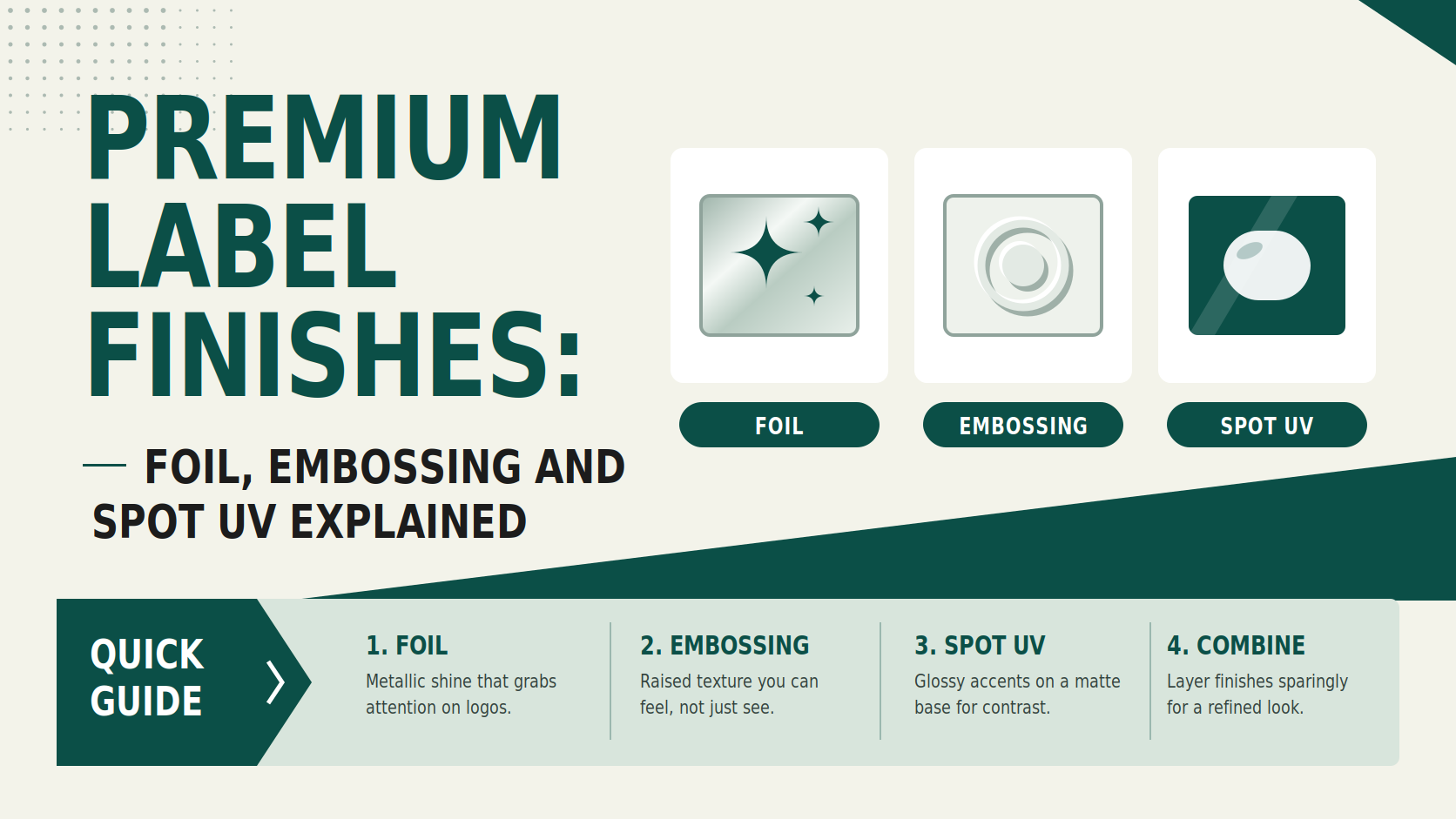
A premium brand may demonstrate sophistication with sleek finishes and clean designs, while an eco-friendly business may demonstrate sustainability with recyclable materials and minimal packaging. On the other hand, a children’s brand may opt for bright colours and playful graphics to attract its audience.
The design, materials and finish of a label should reinforce the message you want your brand to send.
Clear Information Creates Trust
Labels need to be accurate and easy for customers to read. Product details, instructions for use, ingredients, manufacturing information and safety warnings should be clear.
When you communicate clearly, you help customers make informed decisions and show that your business values quality and accountability. This consistency over time helps to build better customer confidence and brand loyalty.
Quality Is as Important as Design
A nice label loses its impact if it peels, fades or gets damaged while stored or transported.
Good quality materials and printing will ensure that your labels look good from the factory, through the supply chain and onto the shop shelves and in the hands of your customers. Durable labels help you to protect your brand image and minimise rework and complaints about packaging.
Find The Right Labelling Partner To Build Your Brand
Good design is not enough to make effective labels. A good printing partner can help you choose the right materials, finishes and printing solutions to achieve your product, packaging and branding goals.
Through meticulous design and delivery of consistent print quality, companies can produce labels that strengthen brand identity and leave a lasting impression.
Summary
A product label is one of the most valuable branding assets a company has. It creates a first impression, enhances recall, communicates brand values and builds trust with customers. Companies that consider labels part of their brand identity, not just a packaging requirement, have a stronger, more memorable presence in the market.
FAQs (Frequently Asked Questions)
- What is the role of the label in creating brand identity?
Product labels create a consistent visual identity through logos, colours, typography and packaging design that helps customers to easier recognise and remember products.
- Why consistency of product labelling matters
Consistent labelling enhances brand recognition, fosters trust, and establishes a cohesive appearance across different products and product lines.
- Can good labels influence customer perception?
Yes . Professional printing and durable labels give products a more premium feel as well as reinforcing the perception of quality and reliability.
- What are the factors for businesses in the design of brand labels?
Businesses should focus on consistent branding, legibility, appropriate materials, long-lasting printing, and clear product information to create labels that accurately reflect their brand.